Why Logan Homes Face Unique Roofing Challenges
Weather can be unforgiving, and roofs tend to take the brunt of it. When the elements push hard against a home, even well-built roofing systems start to show signs of strain. The mix of heat, humidity, wind, storms, and seasonal downpours creates conditions that test every part of a roof. These pressures shape how quickly materials age, how often
repairs are needed, and how essential regular maintenance becomes. Understanding these challenges helps explain why some homes face issues faster than others and why proper care makes such a difference over time.
Heavy rain, heavy strain: how roofs cope under constant downpours
Roofs endure a huge amount of pressure when heavy rain hits. Water collects quickly, drainage slows, and weak spots become noticeable fast. Prolonged wet conditions work their way under cracked tiles, lifting flashing or aged sealant. These sorts of issues don’t appear overnight, but once the rain settles in, the damage escalates. Many roofing services focus on preventing these water entry points before they cause anything more serious.
- Leak repairs during ongoing rain periods
- Routine roof inspections to identify soft spots
- Emergency patching when storms cause sudden damage
Why ageing tiles react differently when storms roll through
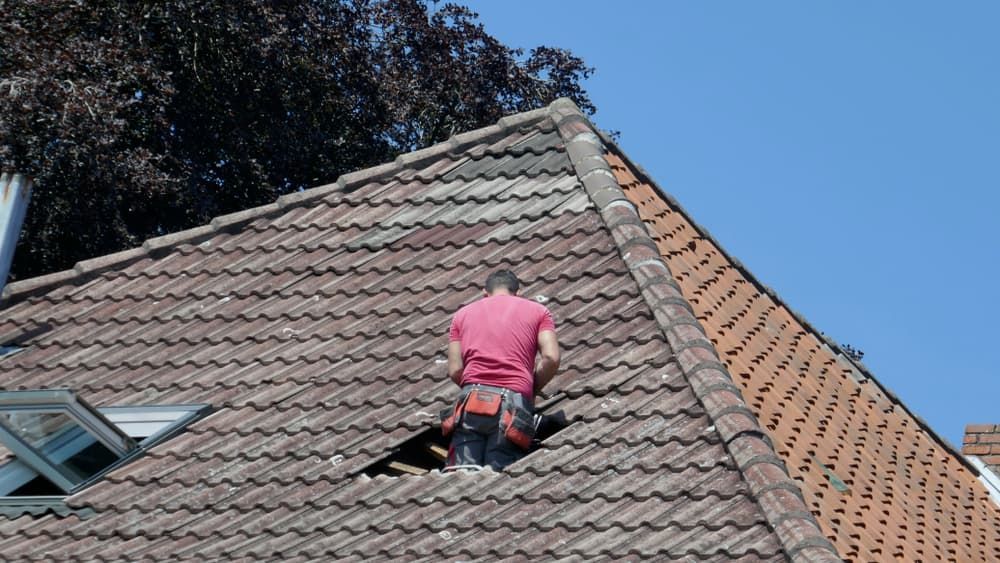
Older tiled roofs often behave unpredictably during strong winds or hail. Tiles can shift or crack, ridge caps loosen, and bedding or pointing becomes brittle over time. These age-related changes make the roof more sensitive to sudden impact or rapid pressure changes. Storms highlight these vulnerabilities, which is why many homes built decades ago need more frequent restoration work. Tile replacement, rebedding, and repointing help bring older roofs back to a stable condition before the next weather event rolls through.
- Replacing cracked or weakened tiles
- Repointing loose ridge caps
- Full or partial roof restoration for older homes
Gutters overflowing? Small blockages create big roofing headaches
Blocked gutters and downpipes cause a ripple effect across the entire roof. When water can’t move freely, it backs up under tiles, corrodes metal edges, and leaves moisture sitting where it shouldn’t. Even a small build-up of leaves or debris can create enough pressure to force water into ceiling cavities. Regular cleaning and repair work keeps water moving the way it should, preventing far bigger issues that often start from something simple.
- Clearing gutter and downpipe blockages
- Repairing rusted or sagging guttering
- Replacing damaged sections when flow can’t be restored
Heat, humidity, and metal roofing — a combination that tests every joint
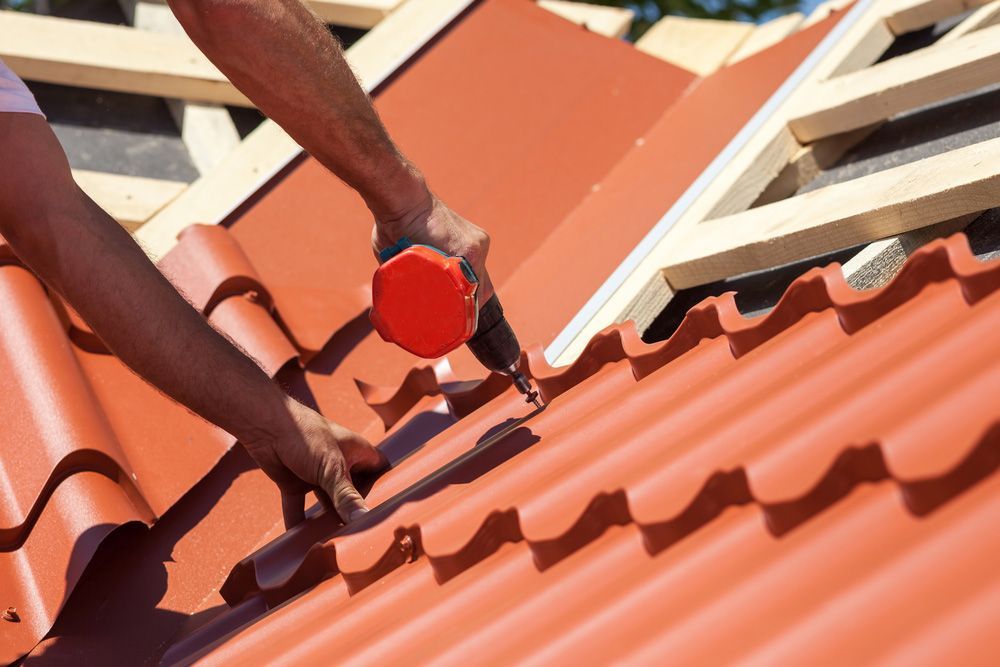
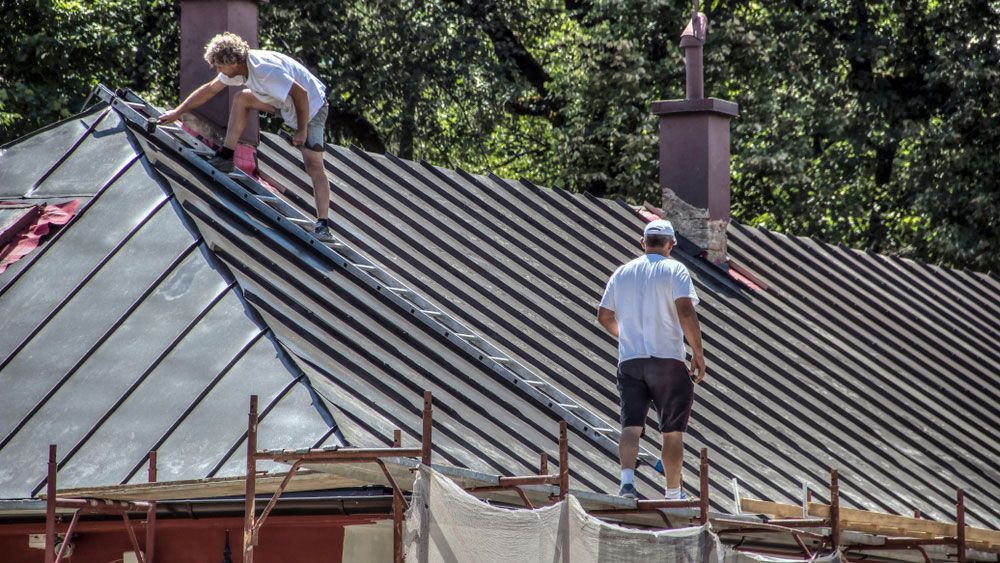
Metal roofing responds directly to temperature changes. Sheets expand in heat and contract as the air cools, which loosens screws, warps joins, and stresses flashings. Add humidity and moisture into the mix and small gaps quickly develop. These shifts can go unnoticed until water begins sneaking in. Regular maintenance such as re-screwing, flashing repairs, and spot sealing helps stabilise the roof and reduces the risk of leaks forming in high-stress areas.
- Re-screwing metal roof sheets
- Repairing loose or lifted flashing
- Sealing minor gaps before they widen
Spotting leaks early: subtle signs homeowners often miss
Many leaks begin as tiny changes that are easy to overlook. A faint stain on the ceiling, a damp smell in the roof space, or a small patch of mould can indicate roof problems that need attention. These early signals often point to issues around tiles, flashings, ridge caps, or rusted metal sections. Leak detection and detailed inspections help identify where water is entering so repairs can be made before structural damage sets in.
- Roof inspections to find hidden leaks
- Targeted leak detection methods
- Repairs to tiles, flashings, or damaged roof sections
The damage you can’t see: why roof structure checks matter
Some roofing problems start beneath the surface. Battens weaken, underlays deteriorate, and roof frames can sag from long term moisture exposure. Because this damage sits out of sight, it often progresses unnoticed until it becomes much more costly to fix. Structural roof checks help identify these issues early. When needed, repair or replacement of underlying components ensures the roofing surface has the support it requires to perform properly.
- Identifying sagging roof frames
- Repairing or replacing water-damaged battens
- Restoring underlay before it deteriorates further
Seasonal roof maintenance: the quiet hero of long term durability
Seasonal maintenance acts as a preventative measure that extends the life of a roof. Timed inspections help spot wear caused by weather changes and allow small repairs to be handled early. Cleaning, resealing, and general upkeep prevent water build-up, reduce heat strain, and support healthy ventilation. Consistent care helps avoid sudden failures that are harder to manage later.
- Seasonal cleaning and resealing
- Routine checks for movement or wear
- Protective coatings that help resist weathering
Emergency roofing situations: how sudden weather shifts expose weak spots
Sudden weather changes often reveal hidden faults. A roof that coped fine one week may lift sheets, lose tiles, or open gaps the next when strong winds or heavy rain hit. These emergency situations require fast action to prevent water damage spreading inside the home. Temporary tarping, rapid repairs, and immediate stabilisation work help keep the home protected until full repairs can be completed.
- Emergency tarping after unexpected storms
- Fast repairs to prevent internal damage
- Securing loose tiles or sheets
We at Munro Building Group understand the conditions homeowners face in Logan and how quickly weather can change roof performance. If your home needs repairs, maintenance, or a closer look after recent storms, visit https://www.munrobuildinggroup.com.au/ and reach out today.